
The Vivid Reality of Resurrection Morning
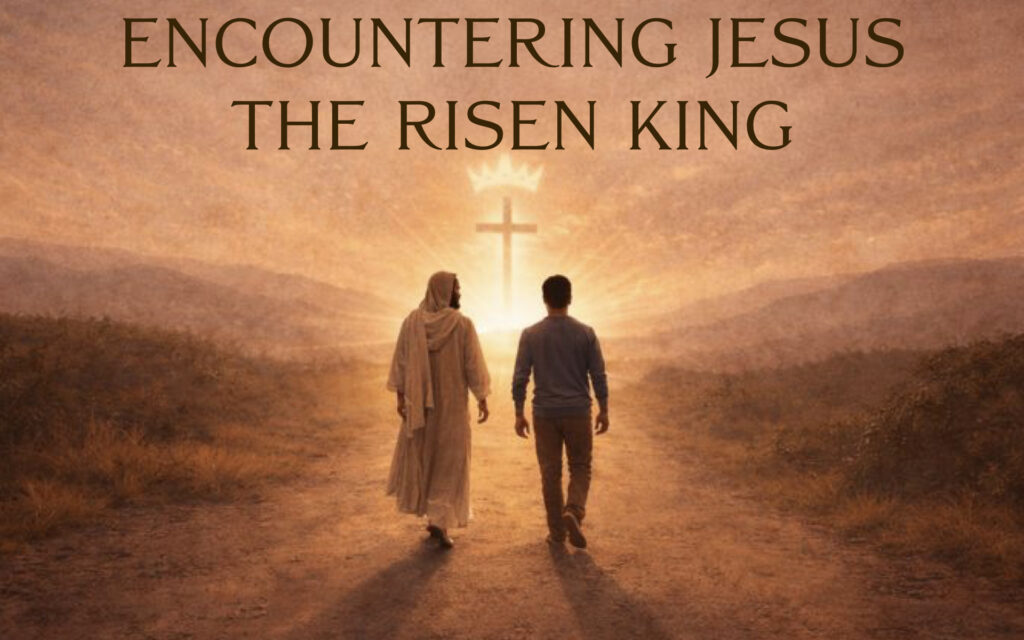
There’s something powerful about vivid memories—those moments frozen in time that we can recall with crystal clarity. The way a particular song transports us back to a specific moment. The first time we truly saw someone who would change our lives forever. These memories aren’t just mental photographs; they’re experiences that altered everything that came after.
The Gospel of John gives us something similar when describing the resurrection morning: not a sanitized theological statement, but a vivid, detailed, almost slow-motion account of the most world-changing event in human history. And what’s striking is how honest it is about the confusion, the struggle, and the gradual dawning of faith.
When Everything Changed
John’s account begins with a simple yet profound detail: “the first day of the week.” All four Gospel writers emphasize this timing, not just to mark the third day after Jesus’ death, but to signal something deeper. This wasn’t just another day—it was the beginning of a new creation. Just as God created the world and called it good on the first day, now on another first day, everything was being made new.
Mary Magdalene arrived at the tomb in darkness, carrying spices to complete the burial rituals she couldn’t finish before the Sabbath. She expected to find a sealed tomb and a dead body. Instead, she found the stone rolled away and emptiness.
Her first thought wasn’t “He is risen!” It was panic. Grave robbery was common in that era—thieves would steal burial cloths and expensive spices. To Mary’s grief-stricken mind, someone had violated Jesus’ resting place and taken his body.
The Race to Understanding
When Mary ran to tell Peter and John, they didn’t believe in resurrection either. They ran to the tomb—John even remembers that he outran Peter, a detail that speaks to the vividness of his memory. But when they arrived and looked inside, they found something puzzling.
The burial cloths were still there. Not just scattered, but carefully arranged. The face cloth was folded separately. This was no robbery. Grave robbers would have taken the valuable spices and cloths, not the body. Yet the disciples still struggled to understand.
John admits with remarkable honesty: “They did not yet understand the Scripture that he must rise from the dead.” Despite Jesus telling them repeatedly what would happen, despite all the prophecies, they couldn’t grasp it. So they went home, confused and uncertain.
The Sound of Your Name
Mary stayed. Through her tears, she looked into the tomb and saw two angels sitting where Jesus’ body had been. Their question carried a gentle rebuke: “Woman, why are you weeping?”
Why indeed? But Mary was still trapped in grief, still thinking in terms of death rather than life: “They have taken my Lord away, and I don’t know where they’ve laid him.”
Then she turned and saw someone she assumed was the gardener. The sun was rising behind him. Her eyes were blurred with tears. When he asked why she was weeping, she begged him to tell her where he’d put the body so she could take it away.
And then Jesus spoke one word: “Mary.”
That’s all it took. Not evidence. Not arguments. Not theological explanations. Just her name, spoken in that familiar voice. In that instant, everything changed. She knew. He was alive.
The Struggle Toward Faith
What’s beautiful about this account is its honesty about how hard faith can be. These weren’t gullible people looking for any excuse to believe in resurrection. They understood perfectly well that dead people stay dead. They had watched Jesus die. They knew where his body was laid. They had no expectation of resurrection.
Even standing at an empty tomb with clear evidence that no thief had taken the body, they struggled to believe. Mary stood face to face with the risen Jesus and thought he was a gardener.
This isn’t a story designed to convince skeptics through overwhelming evidence—though the evidence is there. It’s a story about people who couldn’t believe until they heard Jesus speak to them personally.
The same is true today. We can examine the historical evidence. We can note that the tomb was empty and that no one—not the disciples, not the enemies of Christianity, not grave robbers—had any motive or opportunity to take the body. We can observe that the disciples went from hiding in fear to boldly proclaiming resurrection, even unto death. We can recognize that Christianity wouldn’t exist if Jesus’ body was still in a tomb somewhere.
But ultimately, faith comes when we hear our name called.
The Message That Changes Everything
Once Mary recognized Jesus, everything shifted. She didn’t go home. She ran to the disciples with a message: “I have seen the Lord!”
She didn’t have all the answers. She couldn’t explain the mechanics of resurrection or provide a systematic theology. But she knew what she knew: He was dead. Now he’s alive. And that changes everything.
This is the central claim of Christianity, and it’s not negotiable. Jesus didn’t just live on in his followers’ hearts or in spiritual memories. His physical body walked out of that tomb. The same body that was crucified was raised to new life.
If that’s not true, Christianity is a lie and we should all go home. But if it is true—and the evidence points overwhelmingly to its truth—then it’s the most important fact in the universe.
Living as Resurrection People
Death is the one certainty we all face. No matter how much wealth we accumulate, how much power we wield, or how carefully we live, death will find us. It’s the great equalizer, the ultimate enemy.
Unless Jesus Christ stands between us and death, saying, “This one belongs to me.”
That’s what resurrection means. It means death has been defeated. It means this broken world isn’t the end of the story. It means a new creation has begun, and we get to be part of it.
And if we’ve heard Jesus call our name, if we’ve responded in faith even with all our questions and doubts, then we have a message to share. Like Mary, we’re called to go and tell others: “I have seen the Lord.”
They may think we’re crazy. They may struggle to believe, just as the disciples struggled when Mary first told them. That’s okay. Our job isn’t to make people believe. Our job is simply to share the best news possible: though death will come, there is life beyond death. Though this world is broken, a new world is coming.
Every Sunday is a celebration of that first day, that new creation, that empty tomb. Every week is a chance to hear our name called again and to respond with joy: He is risen. He is risen indeed.